
Summary
MILD stands for Minimally Invasive Lumbar Decompression, an outpatient procedure for lumbar spinal stenosis caused by thickened ligament tissue. Through a tiny incision, a surgeon removes small pieces of bone and ligament to relieve pressure on the nerves. It requires no general anesthesia, no implants, and no stitches, and most patients go home the same day.
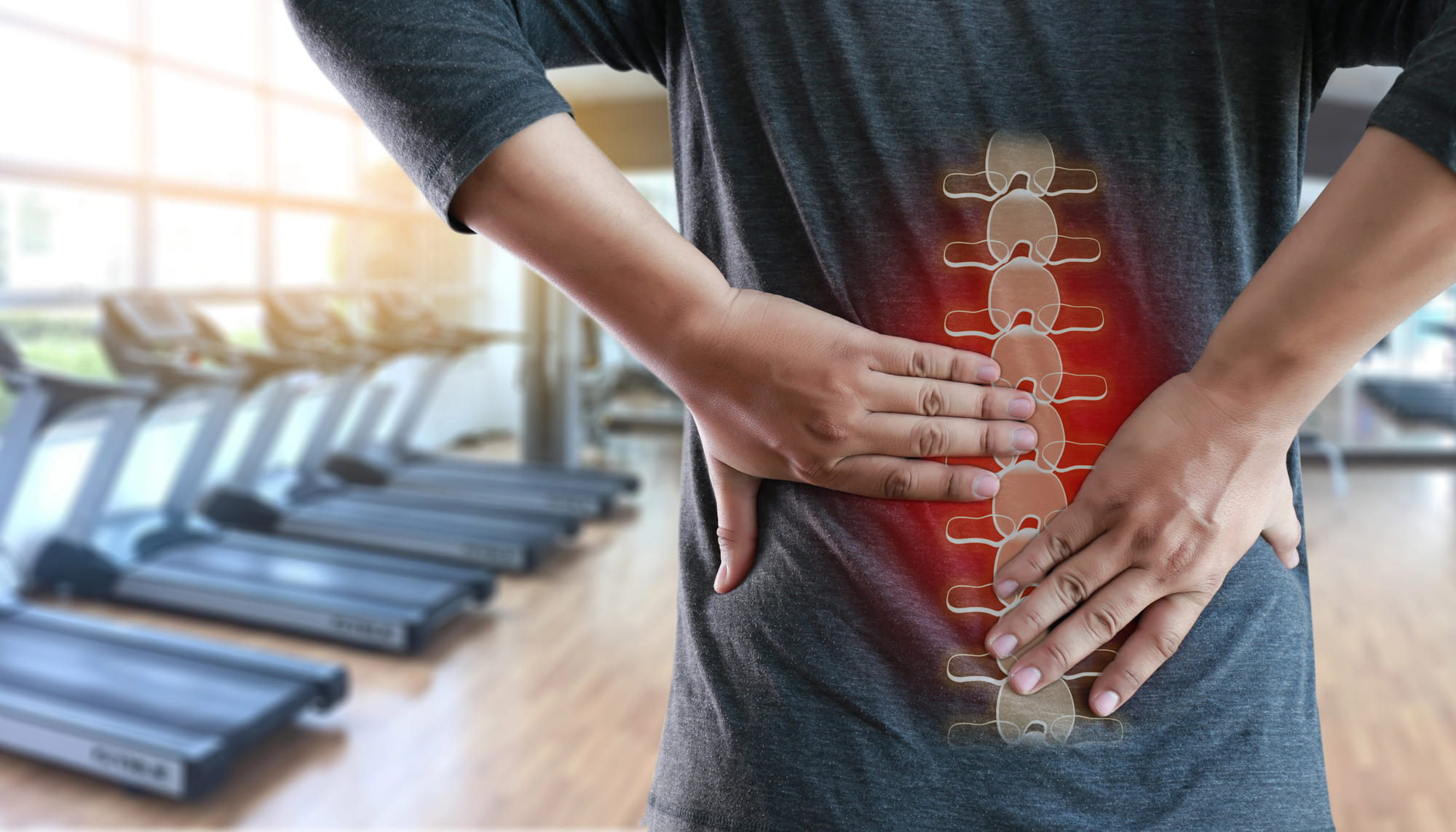
If walking even a short distance leaves your legs aching, heavy, or weak, and leaning on a shopping cart brings relief, you may be dealing with lumbar spinal stenosis. It is one of the most common reasons older adults lose the ability to stay active, and for many, the choice has long felt like either living with it or facing major back surgery.
There is a middle option worth understanding. The MILD procedure is a minimally invasive treatment designed for a specific cause of stenosis. This guide explains what it is, who it helps, and what recovery looks like.
What Is the MILD Procedure?
MILD stands for Minimally Invasive Lumbar Decompression. It is an outpatient procedure that relieves the nerve compression behind a common form of lumbar spinal stenosis, performed through an incision smaller than the size of a baby aspirin.
Working through that tiny opening with imaging guidance, the provider removes small portions of thickened ligament and bone that are crowding the spinal canal. The goal is to restore space for the nerves, easing the leg and back symptoms that stenosis causes. Because it is so targeted, it leaves the surrounding structures intact.

Who Is a Candidate?
The MILD procedure is designed for a specific group: people with lumbar spinal stenosis caused by a thickened ligament in the spine, known as ligamentum flavum hypertrophy. It is not a fit for every type of stenosis, which is why a careful evaluation comes first.
The classic candidate has symptoms of neurogenic claudication: pain, numbness, or heaviness in the legs that worsens with standing or walking and eases when bending forward or sitting. If conservative measures such as physical therapy and diagnostic and therapeutic injections have not delivered lasting relief, MILD may be worth discussing a provider confirms candidacy with imaging before recommending it.
How MILD Compares to Other Treatments
MILD sits between conservative care and traditional open back surgery. It offers a step beyond injections and therapy for the right patient, without the larger footprint of decompression surgery that may involve general anesthesia, hospital stays, implants, or fusion.
Because no implants are placed and no bone is fused, the procedure does not limit future treatment options if symptoms progress. For patients exploring the full range of choices, our overview of minimally invasive spine procedures lays out how these approaches fit together, and our article on minimally invasive back pain treatment offers additional context for active patients.

What to Expect During Recovery
Recovery from MILD is generally quick compared with open surgery. The procedure is performed on an outpatient basis, and most patients go home the same day, often resuming light activity within a few days under their provider’s guidance.
The First Week
Because the incision is tiny and requires no stitches, wound care is minimal. Patients are usually advised to avoid heavy lifting and strenuous activity at first while the area settles, then gradually increase movement as comfort allows.
Getting Back to Activity
Many people notice improvement in their walking tolerance over the following weeks as the nerves recover from the relieved pressure. A gradual return to walking and daily activity is typically encouraged. Our guide to specialized back pain care explains how Jaffe coordinates this kind of follow-through across disciplines. According to the U.S. Food and Drug Administration, which cleared the device used in the procedure, MILD is intended to treat stenosis associated with a hypertrophic ligamentum flavum.
Reaching your full result takes time. Strength, endurance, and the feeling that the knee is truly your own continue to improve for six months to a year. Many people consider themselves fully recovered somewhere in this window, though small gains can continue beyond it.
Most patients return to golf, doubles tennis, and other low-impact recreation they enjoy, often with guidance on protecting the joint long term. For more on staying active through recovery, our overview of common knee injuries and treatment options is a useful companion read. According to the American Academy of Orthopaedic Surgeons, the large majority of knee replacements continue to function well many years after surgery.
Frequently Asked Questions
Find Out If the MILD Procedure Is Right for You
Lumbar spinal stenosis does not have to mean choosing between living with the pain and undergoing major surgery. The team at Jaffe Sports Medicine evaluates whether the MILD procedure or another targeted approach is right for you, and guides you through every step.
With locations in North Naples, Downtown Naples, and Cape Coral, advanced spine care is close by.