
Summary
Radiofrequency ablation (RFA) is a minimally invasive treatment for chronic lower back pain coming from the facet joints. Using heat from a thin needle, it interrupts the small nerves that carry pain signals from those joints. Relief often lasts several months to more than a year, and the outpatient procedure usually allows a return to normal activity within days.
When lower back pain has lingered for months and injections only seem to help for a little while, it is natural to wonder whether anything offers longer relief. For pain that comes from the small joints of the spine, there is an option designed to last longer than a shot: radiofrequency ablation.
Often shortened to RFA, the procedure quiets the specific nerves carrying your pain signals. This guide explains how it works, who tends to benefit, what the experience is like, and how long the relief usually lasts, so you can have an informed conversation with your provider.
What Is Radiofrequency Ablation?
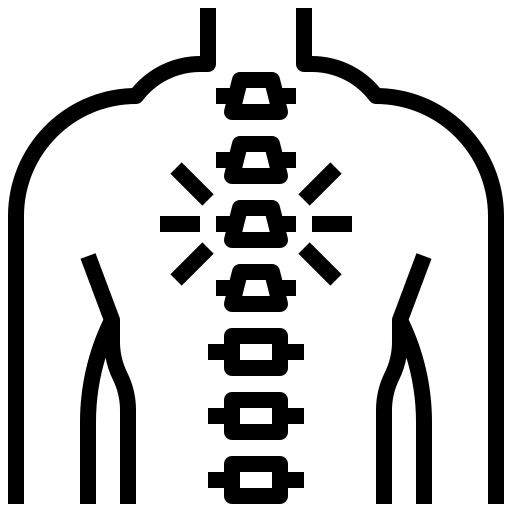
Radiofrequency ablation is a minimally invasive procedure that uses heat to interrupt pain signals traveling from a joint to the brain. For the lower back, it targets the medial branch nerves, the tiny nerves that carry pain from the facet joints of the spine.
Guided by live imaging, the provider places a thin needle near the target nerve and delivers radiofrequency energy that creates a small, precise heat lesion. That lesion stops the nerve from transmitting pain, without affecting the muscles or the stability of the spine. The treated nerves only carry sensation, not movement.

Who Benefits Most From RFA?
RFA works best for people whose chronic lower back pain has been traced specifically to the facet joints, and who have already gotten temporary relief from a diagnostic nerve block. That earlier response is the strongest predictor of a good outcome.
Candidates typically have pain that has persisted for months and has not responded well to conservative care such as physical therapy, medication, and time. Often they have tried diagnostic and therapeutic injections first, both to confirm the source of the pain and to gauge how the nerves respond. If a numbing block briefly relieves the pain, RFA is a logical next step to make that relief last.
What Happens During the Procedure?
RFA is an outpatient procedure that usually takes well under an hour. You stay awake but comfortable, often with light sedation, while the provider uses imaging to position the needle accurately near the target nerves.
Step by Step
After numbing the skin, the provider advances a thin needle to the medial branch nerve under X-ray guidance. A brief test confirms correct placement, then radiofrequency energy is applied for a short time to create the heat lesion. The same steps are repeated for each nerve being treated.
How It Fits Into Spine Care
RFA is one of several tools used for chronic back pain, and it is often considered when targeted, less invasive measures have not held. Our overview of minimally invasive spine procedures shows how it fits alongside other options, and our guide to specialized back pain care explains how Jaffe coordinates treatment across disciplines.

Recovery and How Long Relief Lasts
Recovery from RFA is usually brief. Most patients go home the same day and return to normal activities within a few days, sometimes with mild soreness at the needle sites that fades quickly. Strenuous activity is typically limited for a short period afterward.
Pain relief is not always immediate. It can take a couple of weeks to develop fully as the treated nerves settle, and when it comes, it often lasts several months to more than a year. Because nerves can regenerate over time, the pain may eventually return, and the procedure can usually be repeated if it worked well before. For more on conservative options that often come first, see our overview of lower back pain causes and care. According to the North American Spine Society, RFA is supported as an option for carefully selected patients with confirmed facet-related pain.
Frequently Asked Questions
Find Out If Radiofrequency Ablation Is Right for You
If chronic lower back pain keeps returning after injections and therapy, radiofrequency ablation may offer the longer-lasting relief you have been looking for. The team at Jaffe Sports Medicine confirms the source of your pain and determines whether RFA is the right next step.
With locations in North Naples, Downtown Naples, and Cape Coral, advanced pain and spine care is close to home.